The Power of Sport: How Running, Volunteering and Community Raise Millions for the Causes That Matter
13 April, 2026
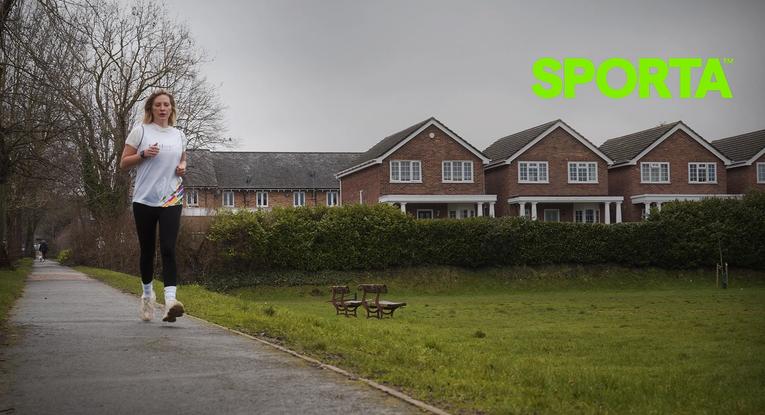
Earlier this month, SPORTA's own Lauren Wilson-Smith lined up at the start of the Brighton Marathon. She ran for Brainstrust, a charity that supports individuals and families affected by brain tumours and brain cancer. The cause is deeply personal - Lauren's father was recently diagnosed with a grade 4 brain tumour.
Until very recently, Lauren's dad was racing superbikes. The physical and mental demands of that sport are enormous - the fitness, the reflexes, the concentration required at extreme speeds. He was the definition of strong, sharp, competitive. His diagnosis has changed everything for the family, and Lauren is channelling that into raising awareness and funds for the charity supporting them through it.
You can see more on Lauren’s story and the power of sport to help raise awareness and funding for charities on our YouTube channel and the specific episode: (4) Episode 6 | Raise Awareness
Lauren's story is one of thousands that played out at Brighton. Across the field, runners represented causes close to their hearts - cancer research, mental health charities, children's hospices, rare disease foundations. Each runner carries a reason, and each reason connects to a community of people who need support.
Why marathon events matter for charities
Major running events like Brighton, London, Manchester and the Great North Run have become one of the most significant fundraising channels for UK charities. The London Marathon alone has raised over £1bn since its inception. These events provide charities with a platform that is almost impossible to replicate through other means - combining mass participation, personal storytelling and public visibility in a way that drives both donations and awareness.
For many smaller charities, marathon fundraising represents a critical share of their annual income. Without it, services are reduced, research is delayed, and families lose access to support when they need it most.
The infrastructure that makes it possible
Behind every marathon is an ecosystem of volunteers, marshals, organisers and local communities. These are the people who make the events happen - coordinating logistics, ensuring runner safety, managing road closures and providing support along the route. Their contribution is often overlooked, but without them the events simply would not take place.
Supporting this infrastructure is essential. As volunteer numbers fluctuate and organisational costs increase, the sustainability of these events cannot be taken for granted. Protecting them means protecting one of the most effective mechanisms sport has for generating social impact.
Sport as a platform for good
At SPORTA, we believe sport generates value far beyond the playing field. Over £120bn in social and economic value flows through UK sport each year, and a significant part of that comes from the way sport connects people to causes, communities and each other.
Lauren's decision to run for Brainstrust is a powerful example of that connection. A personal story, a public platform, a community rallying behind a cause that matters.
We're proud to support Lauren and we encourage anyone who can to donate to her fundraising page or share her story.
Learn more by reading Lauren's Brainstrust fundraising page.
Latest News
Visit the Clubhouse to learn more about our journey as we hero the people and stories at the heart of UK sport.

Partnerships with Purpose: Our collaboration with Stevenage FC
SPORTA is committed to building the dedicated infrastructure for sport, and working with a flagship football partner brings this mission to life. It's a commitment to Stevenage, to the fans and community, and a commitment to our goal of making sport financially sustainable and available for everyone.

Nothing Beats Being There: Why Live Sport Matters
Highlights and broadcasts are good for sport, but being there is better. SPORTA's CEO on taking his son to a motocross round, and why live attendance keeps clubs alive.

SPORTA appoints former Sainsbury’s Bank David Wishart as Chief Risk Officer
David Wishart will lead SPORTA’s risk strategy, governance and control framework, helping to ensure the business is built on strong foundations to serve sporting communities from the outset.